September 14, 2026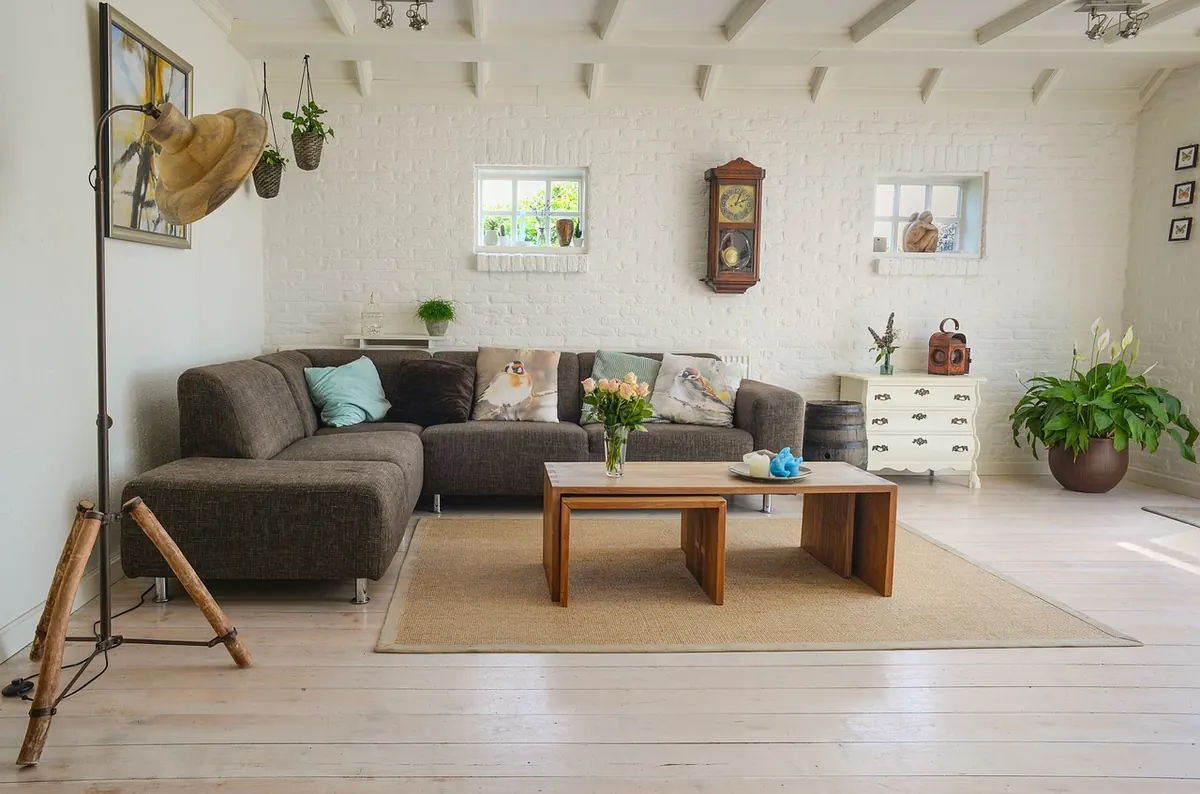
It's 8:40 on a Tuesday. Dinner dishes are stacked by the sink, a coat is draped over the back of a dining chair, and the coffee table has quietly collected three mugs, a laptop, and yesterday's mail. You don't have the energy for a cleaning day. You don't need one.
What the house needs is a reset — a short, repeatable pass through each room that returns things to where they started. Fifteen minutes, one timer, no scrubbing grout. The goal isn't a spotless house. It's walking into the kitchen tomorrow morning and finding it already working for you.
Here's how to run it, room by room.
How the 15-Minute Reset Works
Four rules keep this from quietly turning into an hour of tidying.
- Reset, don't clean. If a task takes more than a minute and isn't putting something back, it goes on a weekend list. Spot-cleaning the oven is not a reset.
- Carry a basket. Anything that belongs in another room goes in the basket, and you drop items off as you pass their homes. This alone saves half a dozen trips down the hall.
- Move in one direction. Pick a starting room and a route, and repeat it every night. Deciding where to begin is what kills evening routines.
- Stop when the timer stops. A half-finished reset still beats no reset. Finish the room you're standing in and let the rest go.
Set the timer for fifteen minutes and start in the kitchen.
Kitchen: The Five-Minute Anchor
The kitchen carries the most visual weight in a home, so it goes first, while you still have something left in the tank. Work left to right from the sink.
- Dishes. Load the dishwasher, or wash whatever fits in five minutes. Pots and pans can soak until morning.
- Counters. Clear anything that doesn't live there. Lunchboxes to the sink, mail to the entryway, receipts to a folder.
- The sink. Rinse it out and wipe the faucet. A clear sink makes the whole room read as clean, even when the floor needs sweeping.
- Tomorrow's launch. Coffee in the filter, lunch containers on the counter, breakfast bowls within reach. Three minutes tonight buys a calmer morning.
Run the dishwasher before bed if you have one — not for the dishes' sake, but so unloading tomorrow is a two-minute job instead of a twenty-minute one.
Living Room: Three Passes, Five Minutes
Pass one: surfaces
Coffee table, side tables, TV stand. Cups and glasses go to the kitchen. Remotes go into one tray or drawer, not three different cushions. Magazines get stacked or recycled.
Pass two: the floor
Shoes to the entryway, bags to their hook, toys into a single bin. Don't sort the bin tonight. The point is that the floor is walkable.
Pass three: the reset seat
Fold the throw over the arm of the sofa and stack the pillows. Four seconds of effort, and the room stops looking like someone is mid-project.
Entryway and Bathroom: The Two-Minute Zones
These spaces are small, high-traffic, and easy to ignore — which is exactly why a quick pass pays off.
In the entryway: pair the shoes, hang the coats, drop keys and bags on their hook, and sort the mail into three piles — recycle, action, file. Keep a small recycling bin within arm's reach so the junk mail never makes it to the kitchen counter.
In the bathroom: wipe the sink and counter with the towel you just used, put the toothpaste and brushes back in their cup, hang the towel straight, and carry any cups or clothes out with you. That's the whole job. Save the mirror and the tub for the weekend.
Bedroom: Set Up Tomorrow Tonight
This pass is less about tidying and more about removing friction from your morning.
- Lay out tomorrow's clothes, socks included.
- Put worn-once clothes back in the closet or in one designated spot. The chair pile is the enemy of a calm room.
- Clear the bedside table down to what belongs there: lamp, book, water glass, charger.
- Plug the phone in out of arm's reach, even if that just means the dresser instead of the pillow.
A tidy room isn't one that has been cleaned. It's one that has been returned.
When You Only Have Five Minutes
Some nights, fifteen minutes isn't there. Take the highest-return items and leave everything else:
- The kitchen sink and counters.
- The living room floor and coffee table.
- Shoes and bags off the entryway floor.
- Tomorrow's clothes and bag, set by the door.
That's five minutes, and it covers the two rooms you'll see first in the morning.
Making the Reset Stick
Attach the reset to something you already do without thinking — after dinner, after the kids are down, after you close the laptop for the night. A routine that rides on an existing habit survives far longer than one that depends on motivation.
Keep a running list of the things you notice but don't handle: the fridge shelf that needs wiping, the cabinet that no longer closes properly, the drawer of mystery cables. Once a week, give that list half an hour. Everything else waits.
And skip nights freely. The reset works because it's small enough to do on a bad evening, not because it's mandatory. Miss three nights and nothing falls apart — you'll spend one slightly longer reset catching up. One timer, one pass, and tomorrow starts in a house that's already on your side.
Photo: ClickerHappy / Pixabay